
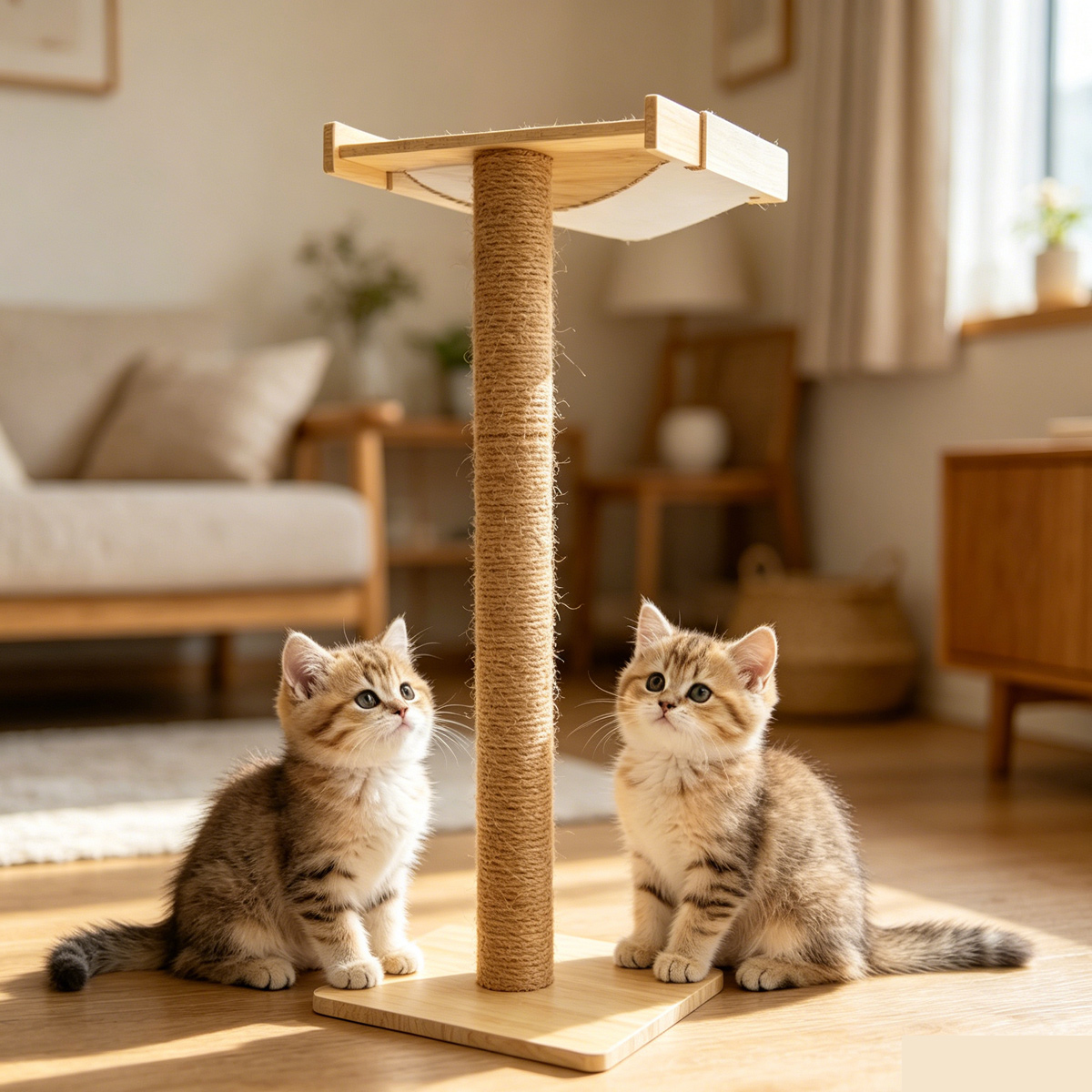
It’s common to find your cat hiding under the bed, behind the couch, or in a quiet corner of the house. While some hiding is normal behavior for cats, excessive hiding can be a sign that your cat is feeling stressed, anxious, or unsafe. Understanding why cats hide and how to create secure spaces for them is key to helping your cat feel calm and comfortable at home. In this article, we’ll explore common reasons cats hide and how space saving cat trees can help you build safe retreats for your feline friend.
1. Why Do Cats Hide?
First, let’s look at why cats hide in the first place. Cats are natural predators, but they’re also prey animals, which means they have an instinct to seek out safe, enclosed spaces where they can observe their surroundings without being seen. This behavior is rooted in their wild ancestors, who used hidden spots to avoid predators and stalk prey. In a home environment, hiding places help cats feel secure, especially when there are loud noises, new people, or other pets around. Common triggers for hiding include moving to a new home, adding a new pet to the family, loud household appliances, or even changes in your daily routine.
2. Rule Out Health Issues First
If your cat is hiding more than usual, it’s important to rule out any potential health issues first. Cats often hide when they’re in pain or feeling unwell, as it’s their natural way of protecting themselves when they’re vulnerable. If your cat’s hiding behavior is sudden or accompanied by other signs like loss of appetite, lethargy, or changes in litter box habits, it’s best to consult with a veterinarian to make sure there’s no underlying health problem.
3. Using Cat Furniture to Create Safe Spaces
Assuming your cat is healthy, creating dedicated safe spaces with cat furniture is one of the most effective ways to reduce hiding and help your cat feel secure. The key is to provide multiple options that meet your cat’s preferences. Some cats prefer high perches where they can survey the room from above, while others feel safer in enclosed, cave-like spaces. A well-built stable cat tree with enclosed condos, cat beds with hoods, and window perches are all great options to consider.
3.1 Tips for Choosing Cat Furniture
When choosing cat furniture for safe spaces, look for items that are sturdy, stable, and easy to access. Tall cat trees with elevated perches give cats a sense of security by letting them stay out of reach of other pets or children. Enclosed cat condos or cave beds provide a private, quiet spot where your cat can retreat when they feel overwhelmed. Place these furniture pieces in quiet areas of your home, away from high-traffic zones and loud appliances like washing machines or televisions. It’s also a good idea to position them near windows, so your cat can watch birds and other outdoor activity from the safety of their perch.
4. Additional Steps to Make Your Home Cat-Friendly
In addition to providing cat furniture, there are a few simple steps you can take to make your home more cat-friendly. Keep your cat’s food, water, and litter box in quiet, low-traffic areas, so they don’t feel exposed while eating or using the bathroom. If you have multiple pets, make sure each cat has their own dedicated space to avoid competition and reduce stress. Avoid forcing your cat out of their hiding spots, as this can make them feel more anxious. Instead, let them come out on their own and offer treats or gentle praise when they do.
Conclusion
In conclusion, understanding why cats hide and creating safe spaces with cat furniture can help reduce stress and anxiety in your cat. By providing multiple secure retreats that cater to your cat’s natural instincts, you can help them feel calm, confident, and comfortable in their home. Explore our range of cat safe hiding spaces to find the perfect safe spaces for your feline companion.