
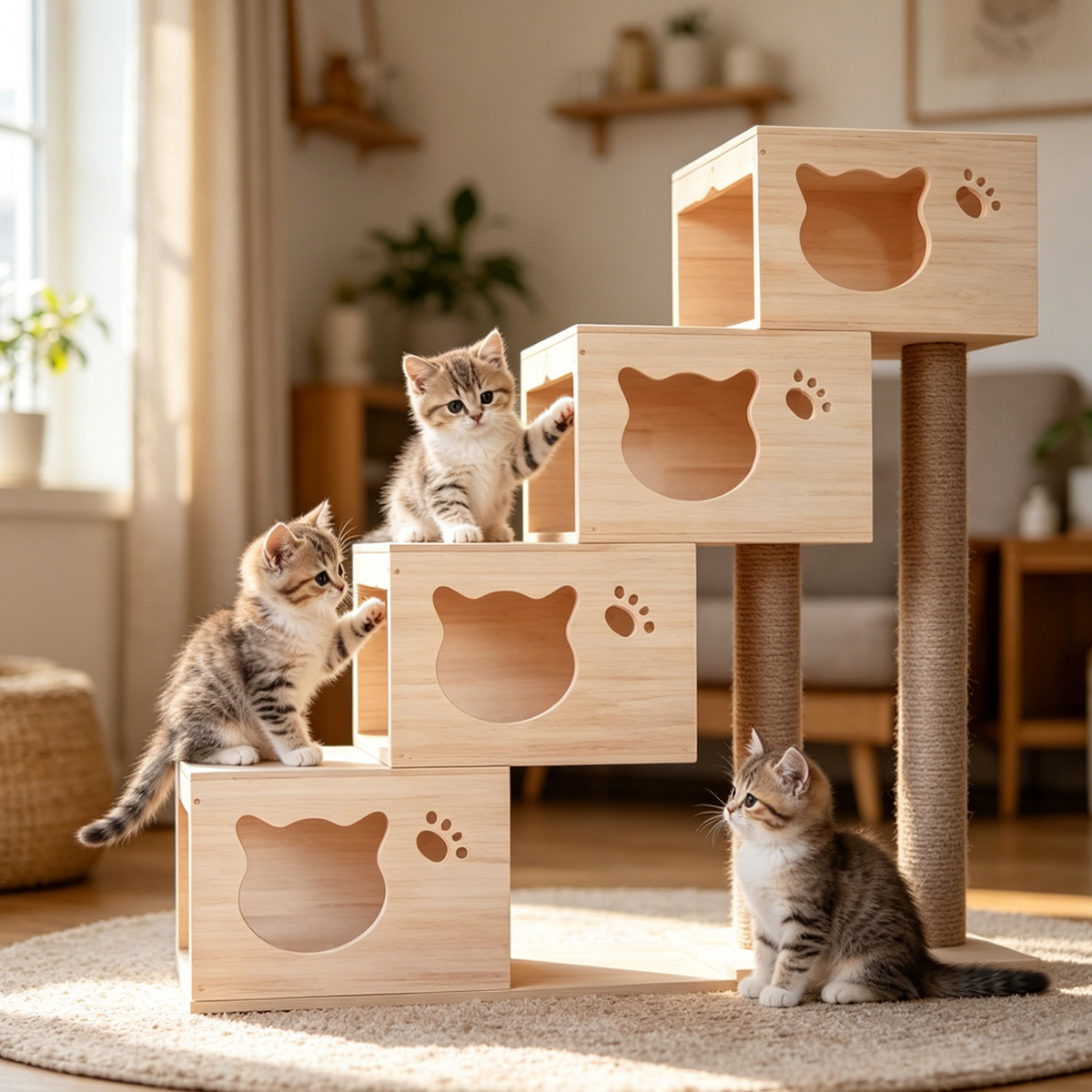
Introduction: The Importance of Clean Cat Furniture
clean cat furniture, from cat trees to beds and scratching posts, is a staple in any cat owner’s home. However, regular use by your feline friend can lead to dirt, hair, and unpleasant odors, which not only affect your home’s freshness but also your cat’s health and comfort. Many cat owners struggle with effective cat furniture odor removal long-term, often resorting to quick fixes that don’t address the root of the problem. This guide shares practical, easy-to-follow tips to carry out routine cat furniture maintenance, keeping your cat furniture clean, odor-free, and in good condition for years, ensuring a healthy environment for both you and your cat.
1. Daily Quick Clean: Prevent Dirt and Hair Buildup
The key to long-term cleanliness is regular maintenance, and daily quick cleans take just a few minutes but make a big difference. These simple steps prevent dirt, hair, and debris from building up, reducing the need for deep cleans later.
① Remove Loose Hair and Debris
Use a lint roller, handheld vacuum, or soft-bristled brush to remove loose cat hair from cat trees, beds, and scratching posts every day. Pay special attention to crevices, platforms, and the corners of cat beds—these are common spots where hair accumulates. For tight spaces, a small handheld vacuum with a narrow nozzle works best to suck up hair and dust.
② Wipe Down Surfaces
For hard surfaces (such as wooden or plastic parts of cat trees), use a damp microfiber cloth to wipe away dust and dirt. Avoid harsh chemicals, as they can irritate your cat’s skin and respiratory system. Instead, use plain water or a mild, cat-safe cleaner (look for products labeled non-toxic and pet-friendly) to gently clean surfaces.
③ Fluff and Air Out Cat Beds
Fluff cat beds daily to keep the padding even and prevent odors from settling. If the weather is nice, place the bed outside for 10-15 minutes to air it out—fresh air helps eliminate mild odors and keeps the bed feeling fresh. Avoid direct sunlight for extended periods, as it can fade fabric and damage padding.
2. Weekly Deep Clean: Tackle Odors and Stains
While daily cleans prevent buildup, weekly deep cleans are essential to remove stubborn stains and odors. The frequency may vary depending on how many cats you have and how often they use the furniture, but once a week is a good rule of thumb for most households.
① Clean Cat Beds Thoroughly
Most cat beds come with removable, machine-washable covers—wash these in cold or warm water (follow the care instructions on the label) with a mild, pet-safe detergent. For non-removable beds, spot-clean stains with a cat-safe stain remover, then wipe down the entire bed with a damp cloth. Allow the bed to air dry completely before putting it back in place—moisture can lead to mold and mildew, which cause odors.
② Sanitize Scratching Posts
Scratching posts are prone to dirt, saliva, and claw marks. For sisal or rope scratching posts, use a brush to remove loose hair and debris, then wipe down with a damp cloth and a small amount of cat-safe cleaner. For carpeted scratching posts, vacuum thoroughly to remove hair, then spot-clean any stains with a carpet cleaner designed for pet stains. Avoid using harsh chemicals on scratching posts, as your cat will continue to use them and may ingest chemicals when grooming.
③ Deep Clean Cat Tree Platforms and Hiding Spots
Cat tree platforms, especially enclosed hiding spots, can trap dirt and odors. Use a handheld vacuum to clean inside hiding spots, then wipe down the surfaces with a damp cloth and cat-safe cleaner. For fabric-covered platforms, spot-clean stains and use a fabric freshener (pet-safe) to eliminate odors. If the fabric is heavily soiled, consider using a steam cleaner (on low heat) to deep clean without chemicals.
3. Monthly Maintenance: Extend Furniture Life and Prevent Odors
Monthly maintenance steps help keep cat furniture in good condition and address odors that may have built up over time. These steps are slightly more time-consuming but worth it for long-term cleanliness.
① Deodorize with Natural Ingredients
For persistent odors, use natural deodorizers that are safe for cats. Baking soda is a great option—sprinkle a thin layer on cat beds, cat tree platforms, and scratching posts, let it sit for 1-2 hours (or overnight for strong odors), then vacuum it up. Baking soda absorbs odors without leaving any harmful residues. You can also add a few drops of cat-safe essential oils (such as lavender or chamomile) to baking soda for a fresh scent, but use sparingly as cats are sensitive to strong smells.
② Inspect for Damage and Clean Hard-to-Reach Areas
Once a month, inspect your cat furniture for damage (such as loose screws, frayed fabric, or broken scratching posts) and clean hard-to-reach areas. Use a cotton swab or small brush to clean crevices and corners where dirt and hair accumulate. Tighten any loose screws on cat trees to ensure stability, and trim frayed fabric to prevent your cat from chewing on loose threads.
③ Refresh Padding and Fabric
For cat beds with removable padding, fluff or replace the padding if it’s flattened or lumpy. For fabric-covered cat furniture, use a fabric refresher or steam cleaner to refresh the fabric and eliminate deep-seated odors. If the fabric is heavily stained or worn, consider replacing it to keep the furniture clean and appealing to your cat.
4. Tips for Preventing Odors Before They Start
The best way to keep cat furniture clean and odor-free is to prevent odors from forming in the first place. These proactive tips will help reduce the need for frequent deep cleans and keep your cat furniture fresh longer.
① Keep Your Cat Clean: Regularly groom your cat to reduce loose hair and dander. Brushing your cat daily removes excess hair, which would otherwise end up on cat furniture. For cats that get dirty easily, occasional baths (using cat-safe shampoo) can help keep their fur clean and reduce odors.
② Use Washable Covers: Whenever possible, choose cat furniture with washable covers. This makes cleaning easier and allows you to keep the furniture fresh by washing covers regularly.
③ Place Furniture in Well-Ventilated Areas: Avoid placing cat furniture in dark, damp areas (such as basements or closets), as these environments promote mold and mildew growth. Instead, place furniture in well-ventilated areas with plenty of natural light, which helps keep odors at bay.
④ Address Accidents Immediately: If your cat has an accident on cat furniture, clean it up immediately. Blot up any liquid with a paper towel, then use a cat-safe stain and odor remover to eliminate the stain and prevent odors from setting in. Avoid using ammonia-based cleaners, as they can smell like cat urine and encourage your cat to have more accidents.
Conclusion: Consistent Care for Clean, Odor-Free Cat Furniture
Keeping cat furniture clean and odor-free doesn’t have to be a chore—with daily quick cleans, weekly deep cleans, and monthly maintenance, you can keep your cat’s furniture in great condition for years. By following these tips, you’ll create a healthier, fresher environment for both you and your cat, and ensure that your cat’s favorite spots remain comfortable and inviting. Remember, consistency is key—small, regular efforts will go a long way in preventing dirt and odors from building up.