
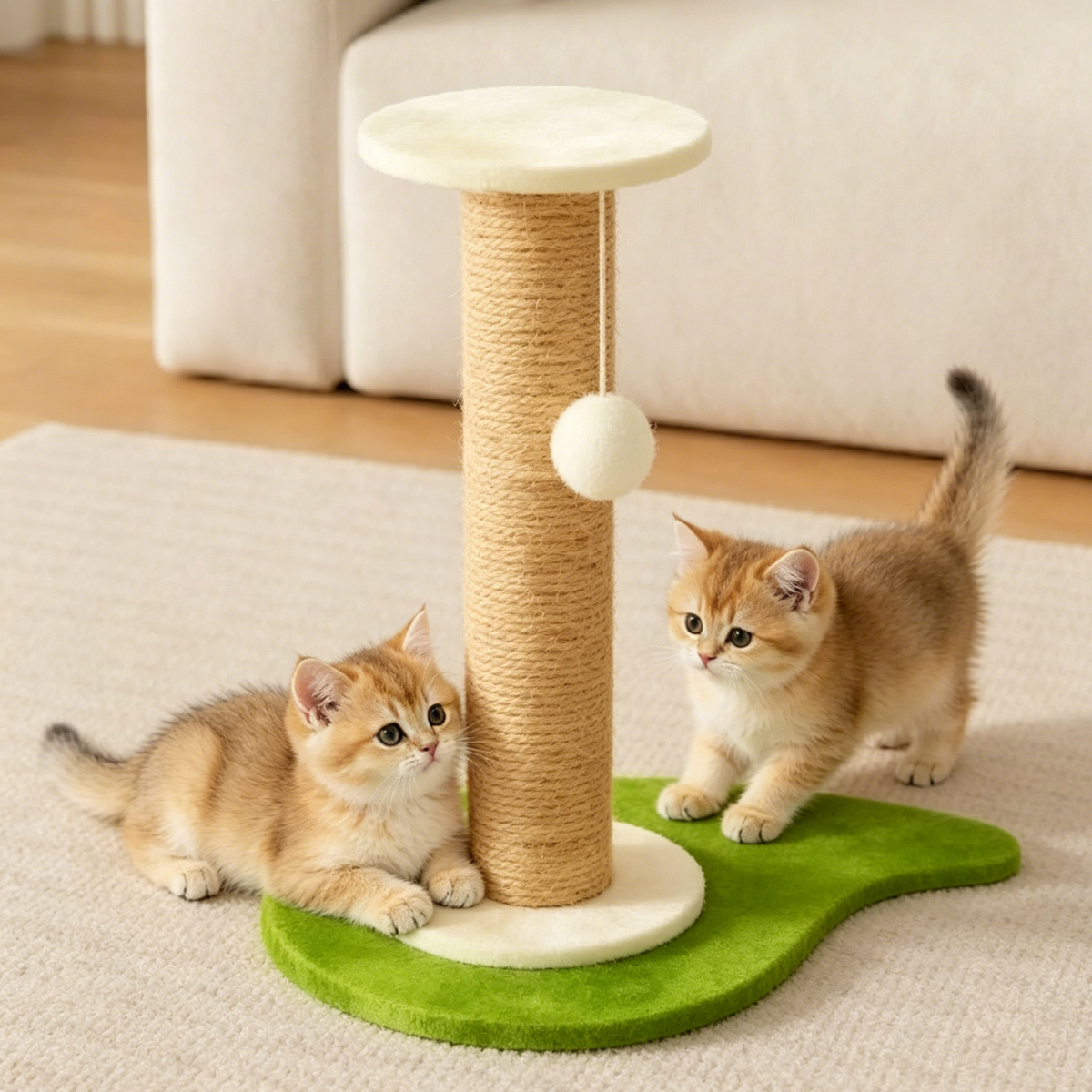
Introduction: The Importance of cat tree maintenance
A high-quality cat tree is an investment for both you and your cat, but without proper cat tree cleaning, even the most durable cat tree will wear out quickly. Cat trees accumulate cat hair, dirt, stains, and even bacteria over time, which not only affects their appearance but also poses a health risk to your cat. Regular cleaning and maintenance can not only extend cat tree lifespan but also keep it clean and hygienic for your feline friend. This guide will walk you through step-by-step methods to clean and maintain your cat tree, helping you get the most out of your investment.
1. How Often Should You Clean Your Cat Tree?
The frequency of cleaning depends on how often your cat uses the cat tree and the type of covering material. Here’s a general guideline to follow:
• Daily: Use a soft brush or lint roller to remove loose cat hair from the platforms, perches, and scratching posts. This prevents hair from accumulating and becoming hard to remove.
• Weekly: Wipe down the surfaces with a damp cloth to remove dust and light stains. For carpeted areas, use a vacuum cleaner with a soft brush attachment to suck up embedded hair and dirt.
• Monthly: Deep clean the cat tree, including removing and washing removable parts (if applicable) and treating tough stains. This also includes inspecting the structure for any loose screws or damage.
• Seasonally: Conduct a thorough inspection and maintenance, such as tightening loose screws, replacing worn-out parts (like sisal rope), and checking for mold or mildew, especially in humid environments.
2. Step-by-Step Cleaning Methods for Different Materials
Different parts of the cat tree are made of different materials, so they require different cleaning methods. Here’s how to clean each material effectively and safely:
① Sisal Scratching Posts
Sisal is durable and easy to clean, but it can accumulate hair and dirt over time. To clean sisal scratching posts:
1. Use a stiff brush to brush off loose hair and dirt. Brush in the direction of the sisal fibers to avoid damaging them.
2. For tough stains, mix a small amount of mild dish soap with warm water. Dip a cloth in the solution, wring it out thoroughly, and wipe the stained area gently. Avoid soaking the sisal, as excessive moisture can cause mold.
3. Let the sisal air dry completely before allowing your cat to use it again. If the sisal is severely worn or frayed, consider wrapping it with new sisal rope to extend its lifespan.
② Carpeted Surfaces
Carpeted platforms and nests are prone to hair accumulation and stains. To clean them:
1. Use a vacuum cleaner with a soft brush attachment to suck up embedded hair, dust, and debris. Pay special attention to corners and crevices where dirt tends to accumulate.
2. For liquid stains (such as urine or water), blot the area immediately with a clean, dry cloth to absorb as much liquid as possible. Do not rub, as this will spread the stain.
3. Mix equal parts white vinegar and water in a spray bottle. Spray the stained area lightly, let it sit for 5-10 minutes, then blot with a clean cloth. Vinegar is a natural deodorizer and can help remove tough stains without damaging the carpet.
4. For removable carpet covers, wash them in the washing machine on a gentle cycle with mild detergent. Air dry or tumble dry on low heat to avoid shrinking.
③ Wooden or Particleboard Frames
Wooden or particleboard frames can be damaged by excessive moisture, so cleaning should be done with care:
1. Wipe the frame with a dry cloth to remove dust. For light stains, use a damp cloth with a small amount of mild soap, then dry immediately with a clean cloth to prevent water damage.
2. Avoid using harsh chemicals (such as bleach or ammonia), as they can damage the wood finish and may be toxic to your cat.
3. If the frame has scratches or dents, you can touch it up with a wood marker or paint that is non-toxic and safe for pets.
3. Maintenance Tips to Extend Cat Tree Lifespan
Cleaning is important, but regular maintenance can also help your cat tree last longer. Here are some key maintenance tips:
• Tighten screws regularly: Over time, screws may become loose due to your cat’s climbing and jumping. Check all screws and bolts monthly and tighten them as needed to ensure the structure is stable.
• Replace worn parts: If the sisal rope is frayed, the carpet is torn, or the platforms are damaged, replace these parts promptly. This not only extends the cat tree’s lifespan but also keeps your cat safe.
• Keep it in a dry, well-ventilated area: Avoid placing the cat tree in damp areas (such as bathrooms or basements) to prevent mold and mildew. A dry, well-ventilated space will also help keep the cat tree clean and fresh.
• Discourage destructive behavior: If your cat is scratching the frame or other non-sisal parts, provide additional scratching posts nearby to redirect their behavior. This will prevent unnecessary damage to the cat tree.
4. Common Mistakes to Avoid When Cleaning
When cleaning your cat tree, there are some common mistakes that can damage the furniture or harm your cat. Here’s what to avoid:
• Using harsh chemicals: Bleach, ammonia, and other harsh cleaners can damage the cat tree’s materials and may be toxic to your cat if ingested or inhaled. Stick to mild, pet-safe cleaners.
• Soaking the cat tree in water: Excessive moisture can cause wood to warp, carpet to mildew, and sisal to rot. Always wring out cloths thoroughly and avoid soaking any part of the cat tree.
• Neglecting hidden areas: Corners, crevices, and the bottom of the base are often overlooked but can accumulate the most dirt and bacteria. Make sure to clean these areas thoroughly during your weekly and monthly cleanings.
Conclusion: Keep Your Cat Tree Clean and Durable
Regular cleaning and maintenance are key to extending the lifespan of your cat tree and keeping your cat healthy. By following the steps and tips in this guide, you can keep your cat tree looking new and functional for years to come. Remember, a clean, well-maintained cat tree is not only better for your home but also provides a safe and comfortable space for your beloved feline friend.