
Introduction
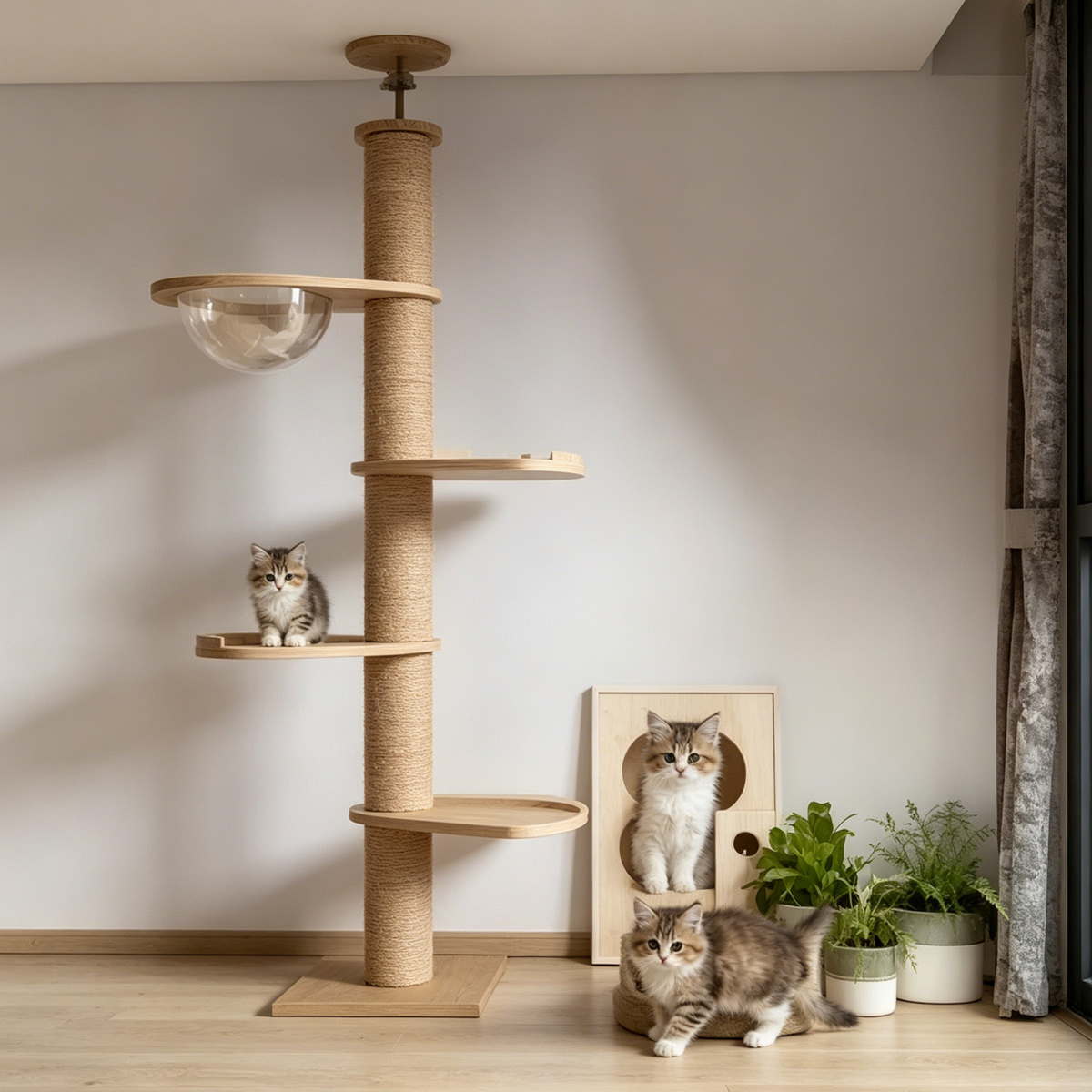
Cat anxiety is a common issue that many cat owners face, yet it’s often overlooked or misunderstood. To relieve your stressed feline, you need reliable cat anxiety relief solutions, and core furniture like elevated perches for cats work wonders. Cozy cat hideaways for anxiety also play a key role in building a soothing calm cat environment, which acts as one of the most practical cat anxiety solutions. Unlike dogs, cats are subtle in showing their stress, with signs ranging from excessive grooming and hiding to aggression and inappropriate elimination. These behaviors not only impact your cat’s quality of life but can also strain your bond with your feline friend. The good news is that simple environmental adjustments—specifically adding elevated perches and hideaways—can significantly reduce anxiety. This guide explores why these two features are so effective, how to choose the right ones for your cat, and how to integrate them into your home to create a calm, secure space for your cat, all while following SEO best practices and avoiding advertising law violations.
1. Understanding Cat Anxiety: Causes and Signs
Before diving into how elevated perches and hideaways help, it’s important to recognize the common causes and signs of cat anxiety. Cats are territorial, routine-driven animals, so any disruption to their environment or schedule can trigger stress. Common causes include moving to a new home, introducing a new pet or family member, loud noises (such as thunderstorms or fireworks), changes in feeding or play routines, and even unfamiliar smells.
Signs of anxiety in cats vary, but some of the most common include over-grooming (leading to bald spots), hiding for extended periods, loss of appetite, excessive meowing or hissing, aggression toward humans or other pets, and urinating/defecating outside the litter box. If you notice any of these behaviors, it’s important to rule out medical issues first (such as urinary tract infections or skin conditions) before addressing environmental factors like adding perches and hideaways.
2. Why Elevated Perches Reduce Cat Anxiety
In the wild, cats are both predators and prey, so they rely on high vantage points to feel safe. Elevated perches tap into this natural instinct, providing your cat with a sense of security and control over their environment. When a cat is up high, they can monitor their surroundings without feeling vulnerable—this reduces stress by allowing them to avoid potential threats (real or perceived) and observe without being seen.
Elevated perches also offer a quiet, peaceful space away from the chaos of a busy home. For cats who feel overwhelmed by children, other pets, or loud activities, a perch high above the action provides a retreat where they can relax and recharge. Additionally, perches can help reduce conflict in multi-cat households by giving each cat a separate space to claim as their own, preventing territorial disputes that often lead to anxiety.
When choosing an elevated perch, look for stable, sturdy designs that can support your cat’s weight. Opt for perches near windows—cats love to watch birds, squirrels, and other outdoor activity, which provides mental stimulation and helps reduce boredom (another common trigger for anxiety). Soft, cozy surfaces (like carpet or faux fur) also make perches more inviting, as they mimic the comfort of a safe resting spot.
3. The Calming Effect of Hideaways for Anxious Cats
Hideaways, or enclosed spaces, are another essential tool for reducing cat anxiety. Cats are naturally drawn to small, enclosed areas because they mimic the burrows and dens their wild ancestors used to hide from predators. A hideaway provides a sense of security and privacy, allowing your cat to retreat when they feel stressed or overwhelmed.
Unlike elevated perches, which are for observing, hideaways are for escaping. They give your cat a place to go when they need to feel completely safe—whether it’s during a thunderstorm, a visit from strangers, or a stressful change in the home. Hideaways can be standalone cat caves, enclosed beds, or even simple boxes (many cats prefer boxes over expensive furniture because they feel more secure in tight, dark spaces).
When selecting a hideaway, choose one that is the right size for your cat—small enough to feel cozy, but not so small that they feel cramped. Look for materials that are soft and breathable, and avoid bright colors or loud patterns that may overstimulate anxious cats. Placing hideaways in quiet, low-traffic areas of your home will make them even more appealing to your cat.
4. How to Integrate Perches and Hideaways Into Your Home
To maximize the anxiety-reducing benefits of perches and hideaways, it’s important to place them strategically throughout your home. Here are some tips to help you integrate these features effectively:
• Place elevated perches in high-traffic areas (like the living room) so your cat can monitor activity without feeling threatened. Near windows is ideal for mental stimulation.
• Add hideaways in quiet, low-traffic areas for times when your cat needs to escape. You can also place one near your cat’s favorite resting spot for easy access.
• For multi-cat households, provide multiple perches and hideaways to avoid competition. Each cat should have access to their own space to reduce territorial stress.
• Introduce new perches and hideaways gradually. Cats are creatures of habit, so placing a familiar blanket or toy in the new space can help them feel more comfortable.
Conclusion
Elevated perches and hideaways are simple, effective tools for reducing cat anxiety, as they tap into your cat’s natural instincts for safety and security. By providing your cat with a high vantage point to observe their environment and a quiet, enclosed space to retreat to, you can help them feel more calm and in control. Remember to choose sturdy, comfortable options that fit your cat’s size and preferences, and place them strategically throughout your home. While these adjustments won’t solve all anxiety issues, they can significantly improve your cat’s quality of life and strengthen your bond. If your cat’s anxiety is severe, consult with a veterinarian or animal behaviorist for additional support.
Article Notes