
Introduction
You’ve invested in a new cat tree, but what if your cat refuses to use it? Many cat owners struggle with effective train cat to use cat tree methods, and mastering proper cat tree training can solve this common headache. This article covers easy tricks to encourage cat to use cat tree, plus professional cat behavior training guidance, and practical new cat tree tips for skittish or lazy kitties. Cats are creatures of habit, and introducing a new piece of furniture can be stressful. The good news is that with a little patience and the right techniques, you can train your cat to use their new cat tree in no time. This guide shares simple, effective tips to encourage your cat to use their new cat tree, including how to make it appealing, how to redirect unwanted behavior, and how to reinforce positive habits—all while being SEO-friendly and compliant with advertising laws.
1. Make the Cat Tree Appealing to Your Cat
The first step to training your cat to use a new cat tree is to make it as appealing as possible. Cats are attracted to familiar scents, comfortable surfaces, and stimulating toys. Here’s how to make the tree more inviting:
• Add Familiar Scents: Place a blanket or toy that your cat loves on the cat tree. This will make the tree feel familiar and safe, reducing your cat’s anxiety. You can also rub the tree with your cat’s scent by petting your cat and then rubbing your hands on the tree.
• Use Catnip: Catnip is a great way to attract your cat to the cat tree. Sprinkle a small amount of catnip on the platforms, scratching poles, or hiding spots. Most cats will be drawn to the catnip and will start exploring the tree.
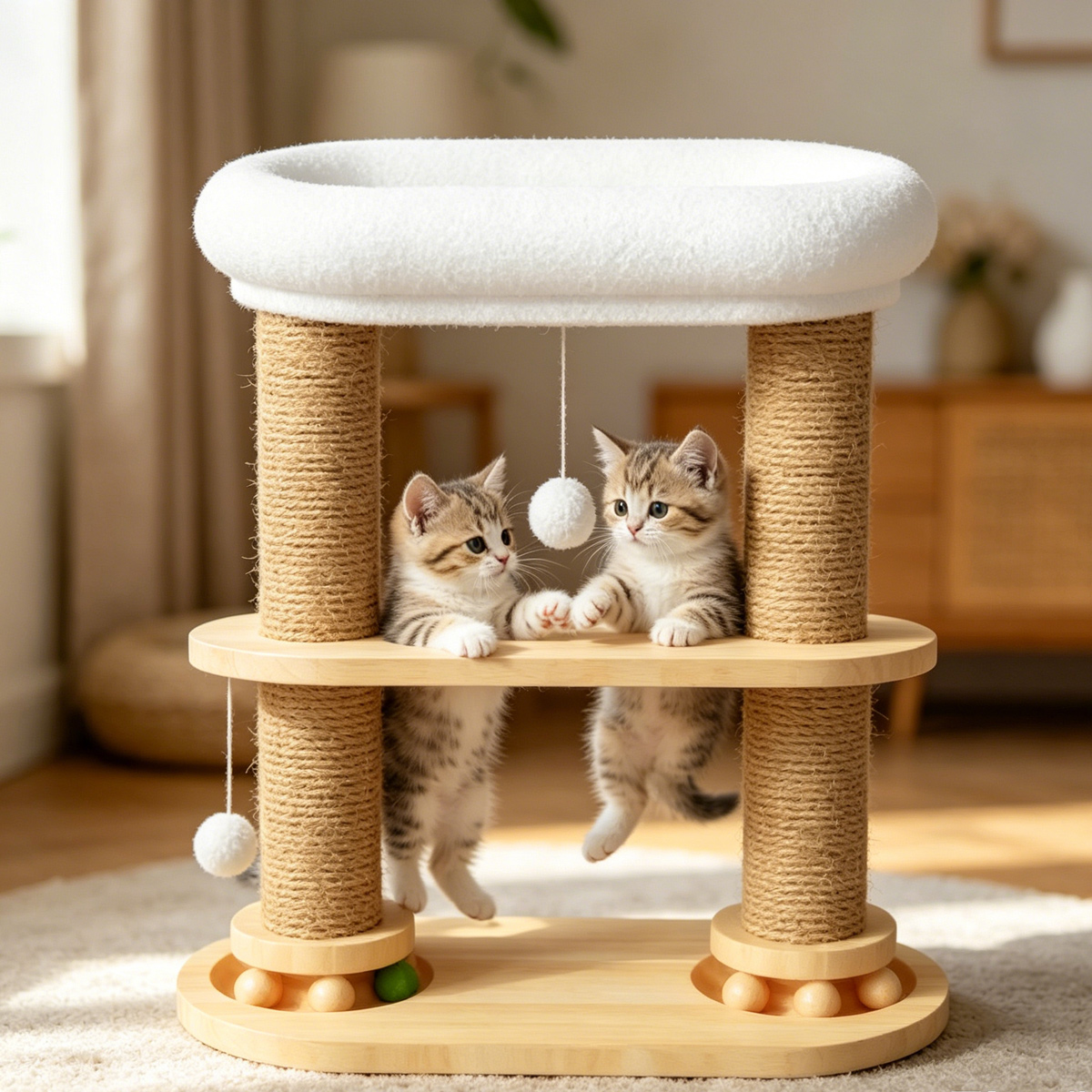
• Add Toys: Attach toys to the cat tree, such as feather wands or bells. This will encourage your cat to climb and play on the tree, making it a fun and engaging space.
• Make It Comfortable: Ensure the cat tree has soft, cozy platforms for resting. If the tree has hard surfaces, add a soft blanket or cushion to make it more comfortable.
2. Place the Cat Tree in the Right Spot
The location of the cat tree plays a big role in whether your cat will use it. Cats love to be in areas where they can observe their surroundings, so place the cat tree near a window or in a high-traffic area of your home. Avoid placing it in a quiet, isolated corner—this may make your cat feel lonely or unsafe.
You should also place the cat tree near your cat’s favorite resting spot. If your cat usually sleeps on the sofa, place the cat tree next to the sofa. This will make it easy for your cat to transition from the sofa to the cat tree.
3. Redirect Unwanted Behavior to the Cat Tree
If your cat is used to scratching your furniture or climbing on other household items, you’ll need to redirect this behavior to the cat tree. Here’s how:
• Catch Them in the Act: If you see your cat scratching the furniture or climbing on something they shouldn’t, gently pick them up and place them on the cat tree. Praise them when they start scratching or climbing the tree.
• Use Positive Reinforcement: When your cat uses the cat tree, praise them in a happy, upbeat tone and give them a treat. This will reinforce the behavior and encourage them to use the tree again.
• Avoid Punishment: Never punish your cat for scratching furniture or not using the cat tree. Punishment will only make your cat anxious and may lead to more destructive behavior. Instead, focus on positive reinforcement.
4. Be Patient and Consistent
Training your cat to use a new cat tree takes time and patience. Some cats will adapt quickly, while others may take a few weeks. Be consistent with your training—spend time each day encouraging your cat to use the tree, and don’t give up if they don’t use it right away.
If your cat is resistant to the cat tree, try changing the location or adding more catnip or toys. You can also try placing the cat tree in a different spot or adjusting the height of the platforms. Every cat is different, so you may need to experiment to find what works best for your cat.
Conclusion
Training your cat to use a new cat tree is a simple process that requires patience, consistency, and a little creativity. By making the cat tree appealing, placing it in the right spot, redirecting unwanted behavior, and using positive reinforcement, you can encourage your cat to use their new tree in no time. Remember to be patient and avoid punishment, and your cat will soon be climbing, scratching, and resting on their new cat tree like it’s always been a part of their home.