Introduction: Why Your Cat’s Bed Matters for Comfort and Health
A comfortable bed is essential for your cat’s physical and mental health. Cats sleep for 12-16 hours a day, so their bed is their most frequently used space. Over time, cat beds can become worn, dirty, or uncomfortable, which can affect your cat’s sleep quality and even lead to health issues. Many cat owners overlook the signs that cat needs new bed, assuming that a “usable” bed is enough. However, recognizing these
cat bed replacement signs can help you provide excellent
cat bed comfort for your cat and ensure their well-being. This guide will outline the key signs that your cat needs a new bed, along with tips for choosing a suitable replacement.
1. Physical Signs of a Worn-Out Cat Bed
The most obvious signs that your cat needs a new bed are physical wear and tear. These signs are easy to spot and indicate that the bed is no longer providing the comfort and support your cat needs.
① Visible Wear and Tear
If your cat’s bed has holes, frayed edges, or loose threads, it’s time to replace it. Holes can be caused by your cat’s scratching or chewing, and frayed edges can irritate your cat’s skin. Loose threads may also pose a choking hazard if your cat chews on them. Additionally, if the bed’s padding is flattened or lumpy, it can no longer provide proper support for your cat’s body, leading to discomfort.
② Persistent Dirt and Odors
Even with regular cleaning, old cat beds can develop persistent dirt and odors. This is because the fabric and padding absorb cat hair, urine, and other fluids over time, making it impossible to fully clean. Persistent odors can make your cat uncomfortable and may even lead to skin infections or allergies. If you notice that your cat’s bed still smells bad after washing, it’s a clear sign that it’s time for a new one.
③ Damage to the Structure
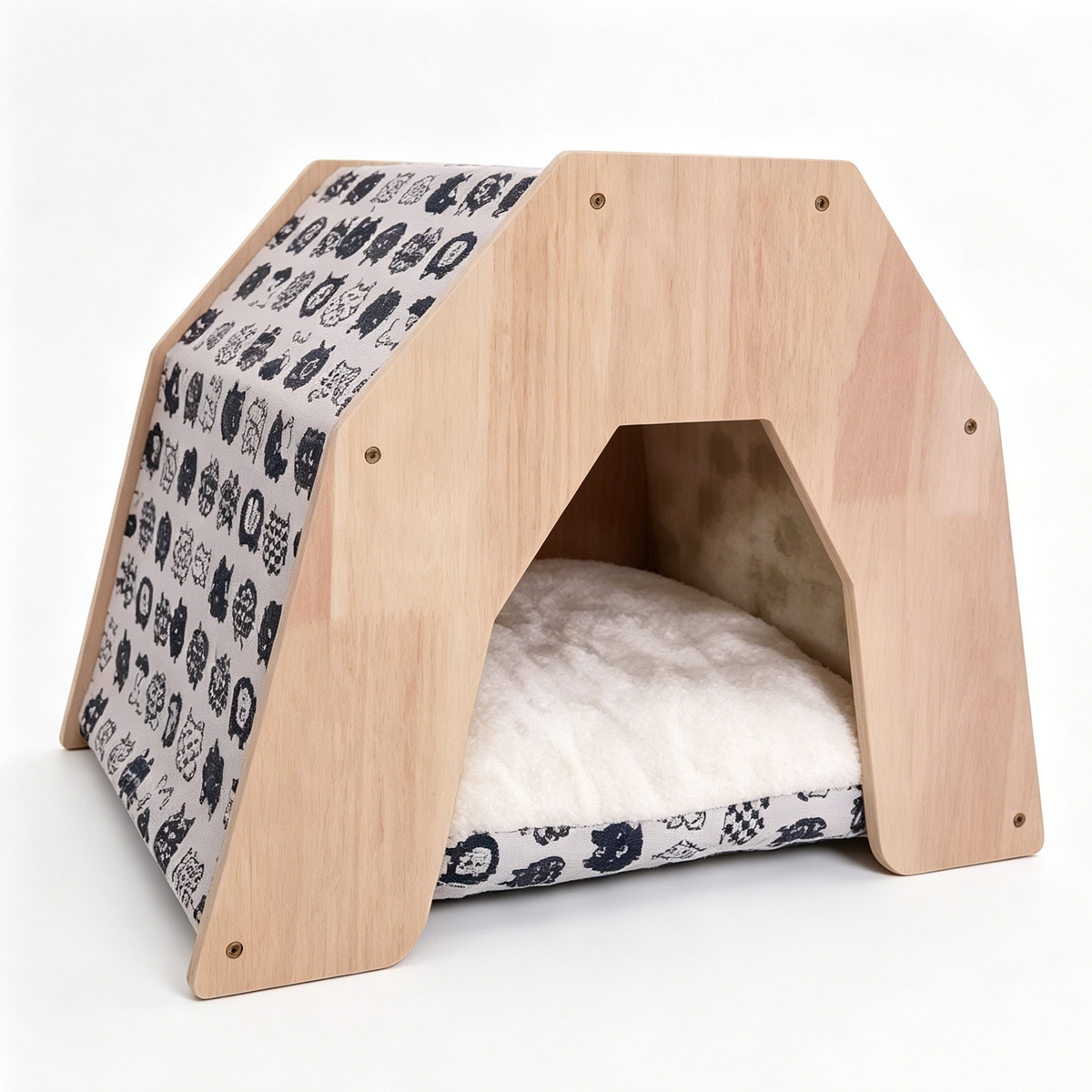
For enclosed cat beds or beds with a frame, structural damage is a key sign to look out for. If the frame is broken, the bed is wobbly, or the door of an enclosed bed is stuck, it can make your cat feel unsafe. Cats need a stable, secure space to rest, so any structural damage means the bed is no longer suitable for use.
2. Behavioral Signs That Your Cat Hates Their Bed
Your cat’s behavior can also tell you if they need a new bed. If your cat avoids their bed or shows signs of discomfort when using it, it’s time to consider a replacement.
① Avoiding the Bed Altogether
If your cat used to sleep in their bed but now refuses to use it, preferring to sleep on the floor, sofa, or under the bed instead, it’s a clear sign that they find their bed uncomfortable. Cats are creatures of habit, so a sudden change in their sleeping location usually indicates a problem with their bed.
② Restlessness and Discomfort
When your cat does use their bed, observe their behavior. If they toss and turn, adjust their position frequently, or get up and leave after a few minutes, it means they are not comfortable. Cats should be able to fall asleep quickly and stay asleep in their bed if it’s comfortable and secure.
③ Scratching or Chewing the Bed
While some scratching is normal for cats, excessive scratching or chewing of their bed may be a sign of discomfort. Cats may scratch or chew to try to make the bed more comfortable, or to express their dissatisfaction with it. If this behavior becomes frequent, it’s time to replace the bed.
3. Health-Related Signs That a New Bed Is Needed
A worn-out or unsuitable bed can also affect your cat’s health. If you notice any of the following health-related signs, it’s important to replace your cat’s bed as soon as possible.
① Skin Irritations or Allergies
If your cat develops skin rashes, itching, or hair loss, especially in areas that come into contact with their bed, it may be due to a dirty or worn bed. Old fabric or padding can harbor dust mites, bacteria, or allergens, which can irritate your cat’s skin. Replacing the bed can help alleviate these symptoms.
② Joint or Muscle Discomfort
For senior cats or cats with joint issues (such as arthritis), a supportive bed is essential. If your cat has difficulty getting up from their bed, limps after sleeping, or seems stiff, it may be because the bed is not providing enough support. A new bed with soft, supportive padding can help ease joint and muscle discomfort.
4. Tips for Choosing a New Cat Bed
When replacing your cat’s bed, keep the following tips in mind to choose a suitable one:① Consider your cat’s size and sleeping habits. For large cats, choose a bed that is spacious enough for them to stretch out. For cats that like to curl up, a round or enclosed bed is a good choice.② Choose high-quality, easy-to-clean materials. Look for beds with removable, machine-washable covers to make cleaning easier. Avoid materials that are easy to wear or shed.③ Prioritize comfort and support. Choose a bed with soft, supportive padding that can relieve pressure on your cat’s body. For senior cats, consider a memory foam bed for extra support.④ Consider your cat’s preferences. Some cats prefer open beds, while others prefer enclosed ones. Observe your cat’s behavior to choose a style they will love.
Conclusion: Don’t Overlook the Signs—Give Your Cat a Comfortable Bed
Your cat’s bed is more than just a place to sleep—it’s a safe, comfortable space that affects their overall well-being. By recognizing the signs that your cat needs a new bed, you can provide them with the rest they deserve. Whether it’s physical wear and tear, behavioral changes, or health-related issues, replacing your cat’s bed in a timely manner will help keep your cat happy, healthy, and well-rested.