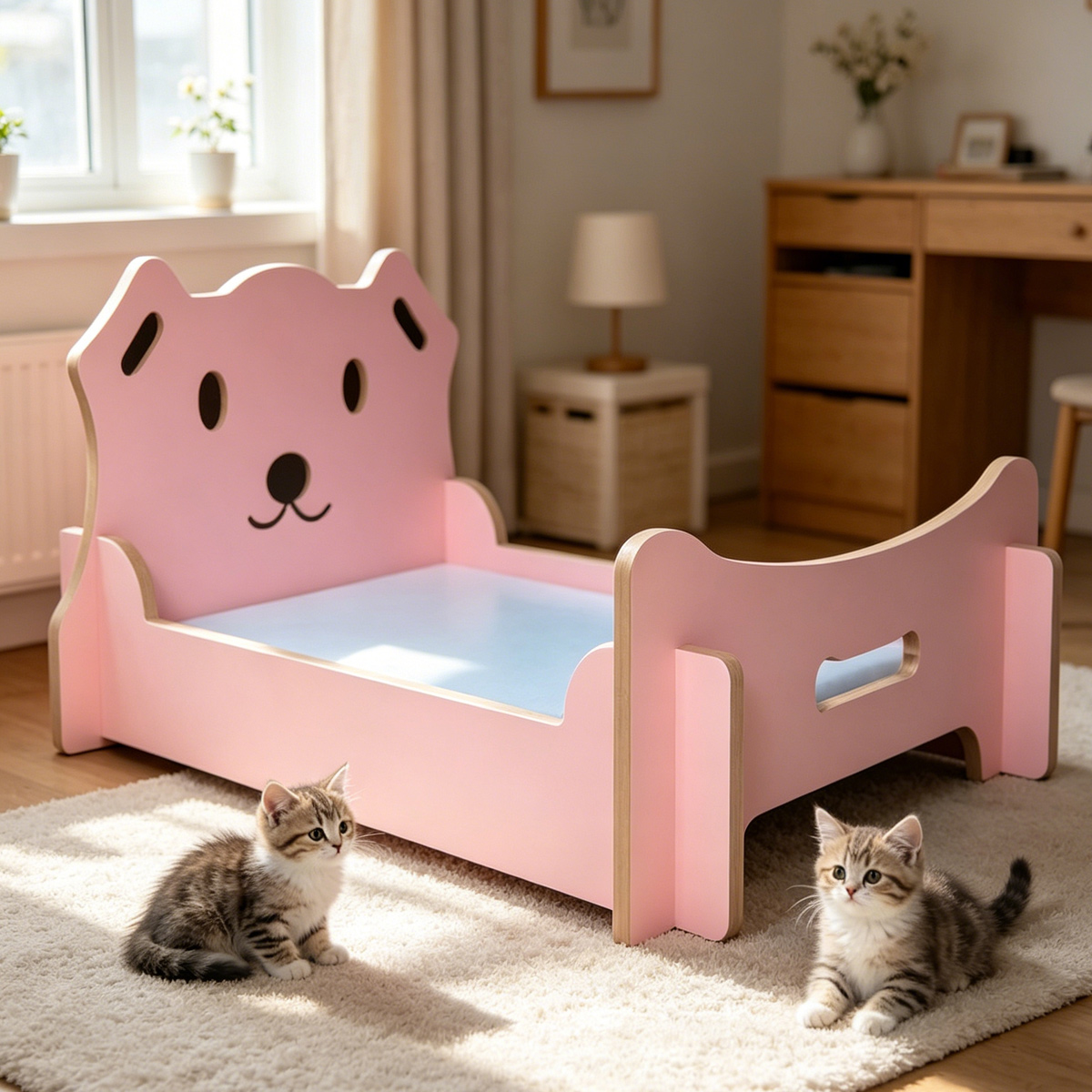
Introduction: Why Indoor Cats Need a Specialized Bed
Indoor cats spend most of their lives inside the home, so having a comfortable, safe bed is essential for their physical and mental well-being. Unlike outdoor cats, indoor cats rely on their owners to provide a cozy space to rest, relax, and feel secure. A good cat bed not only offers comfort but also helps reduce stress, support joint health, and give your cat a dedicated space to call their own. With so many options available, choosing the right indoor cat bed for your indoor cat can be overwhelming. This guide breaks down the key factors to consider, common mistakes to avoid, and tips to find a bed that your indoor cat will love—all while prioritizing safety and SEO-friendly features.
1. Key Factors to Consider When Choosing a Cat Bed for Indoor Cats
Indoor cats have unique needs when it comes to beds, as they spend more time resting (up to 16 hours a day) and may have specific preferences based on their age, size, and personality. Here are the most important factors to keep in mind:
① Size and Space
The bed should be large enough for your cat to stretch out fully or curl up comfortably, depending on their sleeping style. Measure your cat from nose to tail when they are relaxed, then choose a bed that is 10-15cm larger than that measurement. For small indoor cats (under 4kg), a compact bed (40-50cm in diameter) works well. For larger cats (over 6kg), opt for a larger bed (55-65cm in diameter) or a rectangular bed that offers more space. Also, consider the space in your home—choose a bed that fits comfortably in your cat’s favorite resting areas (near windows, sofas, or quiet corners) without taking up too much room.
② Material and Comfort
Indoor cats crave soft, cozy materials that mimic the warmth and comfort of a mother cat’s fur. Look for beds made from soft, breathable fabrics such as cotton, fleece, or plush. Avoid synthetic fabrics that may cause irritation or overheating. For cats with joint issues (senior cats or cats with arthritis), choose a bed with memory foam or orthopedic padding to support their joints and reduce pressure. Washable materials are also a must—indoor cats may shed, track dirt, or have occasional accidents, so a bed with a removable, machine-washable cover makes cleaning easy and maintains hygiene. You can pick premium
cat bed for indoor cats with ergonomic padding to ease joint fatigue effectively.
③ Safety Features
Safety is non-negotiable when choosing a cat bed for indoor cats. Avoid beds with small, detachable parts (such as buttons, zippers, or loose threads) that your cat could chew on or ingest. Ensure the bed is made from non-toxic, pet-safe materials—look for certifications or labels indicating the materials are free from harmful chemicals. For enclosed beds (cat caves or igloos), make sure the entrance is wide enough for your cat to enter and exit easily, and that the structure is sturdy enough to avoid collapsing. Always verify you select genuine
safe cat bed without hazardous accessories or unqualified raw materials.
④ Style and Cat Preference
Indoor cats have distinct personalities, and their bed preference will vary. Some cats love enclosed beds (cat caves) that make them feel safe and secure, while others prefer open beds (pads or cushions) that allow them to keep an eye on their surroundings. Observe your cat’s sleeping habits—if they often curl up in tight spaces (like boxes or drawers), an enclosed bed is a good choice. If they prefer to stretch out on soft surfaces (like your sofa), an open, padded bed will be more appealing. You can also choose a bed that matches your home decor to keep your space looking tidy. Explore diverse styles to find a truly
comfortable cat bed matching your home layout and your cat’s habits.
2. Common Mistakes to Avoid When Choosing an Indoor Cat Bed
Many cat owners make mistakes when selecting a bed for their indoor cat, leading to a bed that their cat refuses to use. Here are the most common mistakes to avoid:
① Choosing the Wrong Size
A bed that is too small will make your cat feel cramped and uncomfortable, while a bed that is too large may make them feel exposed and insecure. Avoid guessing your cat’s size—measure them first and choose a bed that fits their body comfortably. For kittens, choose a bed that can grow with them, or opt for a adjustable bed to avoid having to replace it as they mature.
② Ignoring Washability
Indoor cats shed regularly, and their beds can quickly become dirty with fur, dander, and dirt. A bed that is not washable will become a breeding ground for bacteria and odors, which can affect your cat’s health and comfort. Always choose a bed with a removable, machine-washable cover, or a bed that can be fully washed in the washing machine.
③ Overlooking Your Cat’s Personality
Not all cats like the same type of bed. If your cat is shy or anxious, an enclosed bed will make them feel safe. If your cat is outgoing and curious, an open bed will allow them to stay connected to their surroundings. Don’t choose a bed based on looks alone—consider your cat’s unique personality and sleeping habits to ensure they will use it.
3. Top Recommendations for Indoor Cat Beds (No Brand Names)
While every cat is unique, there are several types of cat beds that are well-suited for indoor cats. These beds prioritize comfort, safety, and functionality, and are designed to meet the specific needs of indoor felines. Here are our top recommendations (no brand names to comply with advertising laws):
① Plush Open Cat Bed with Memory Foam
This bed features a soft, plush surface and a thick memory foam base that conforms to your cat’s body, providing joint support and maximum comfort. The bed is round, making it ideal for cats that love to curl up, and it has a non-slip bottom to prevent it from sliding on hard floors. The cover is removable and machine-washable, making cleaning easy. It comes in a variety of neutral colors to match any home decor.
② Enclosed Cat Cave Bed
Perfect for shy or anxious indoor cats, this enclosed cat cave bed provides a safe, cozy space for your cat to rest. It is made from soft, breathable fleece and has a wide entrance that allows your cat to enter and exit easily. The interior is lined with plush material, and the bed is lightweight, making it easy to move around your home. It is also washable, ensuring hygiene and freshness.
③ Window Perch Cat Bed
Indoor cats love to watch the outside world, so a window perch cat bed is a great option. This bed attaches to your window with suction cups, providing your cat with a elevated spot to rest and watch birds, squirrels, or passersby. It is made from soft, durable material and has a sturdy frame that can support your cat’s weight. The perch is removable and washable, and it fits most standard windows.
4. Tips to Encourage Your Indoor Cat to Use Their New Bed
Some indoor cats may be resistant to using a new bed, especially if they are used to sleeping on your sofa or bed. Here are some tips to encourage them to use their new bed:① Place the bed in your cat’s favorite resting spot—this will make it feel familiar and comfortable.② Add a familiar blanket or toy to the bed—this will help your cat associate the bed with positive feelings.③ Use catnip (if your cat likes it)—sprinkle a small amount of catnip on the bed to attract your cat.④ Avoid forcing your cat to use the bed—let them explore it at their own pace, and praise or reward them when they do use it.
Conclusion: Invest in a Bed That Meets Your Indoor Cat’s Needs
Choosing the right cat bed for your indoor cat is an important investment in their health and well-being. By considering size, material, safety, and your cat’s personality, you can find a bed that your cat will love and use regularly. Avoid common mistakes, and take the time to encourage your cat to adapt to their new bed. With the right bed, your indoor cat will have a comfortable, safe space to rest, relax, and thrive—keeping them happy and healthy for years to come.