
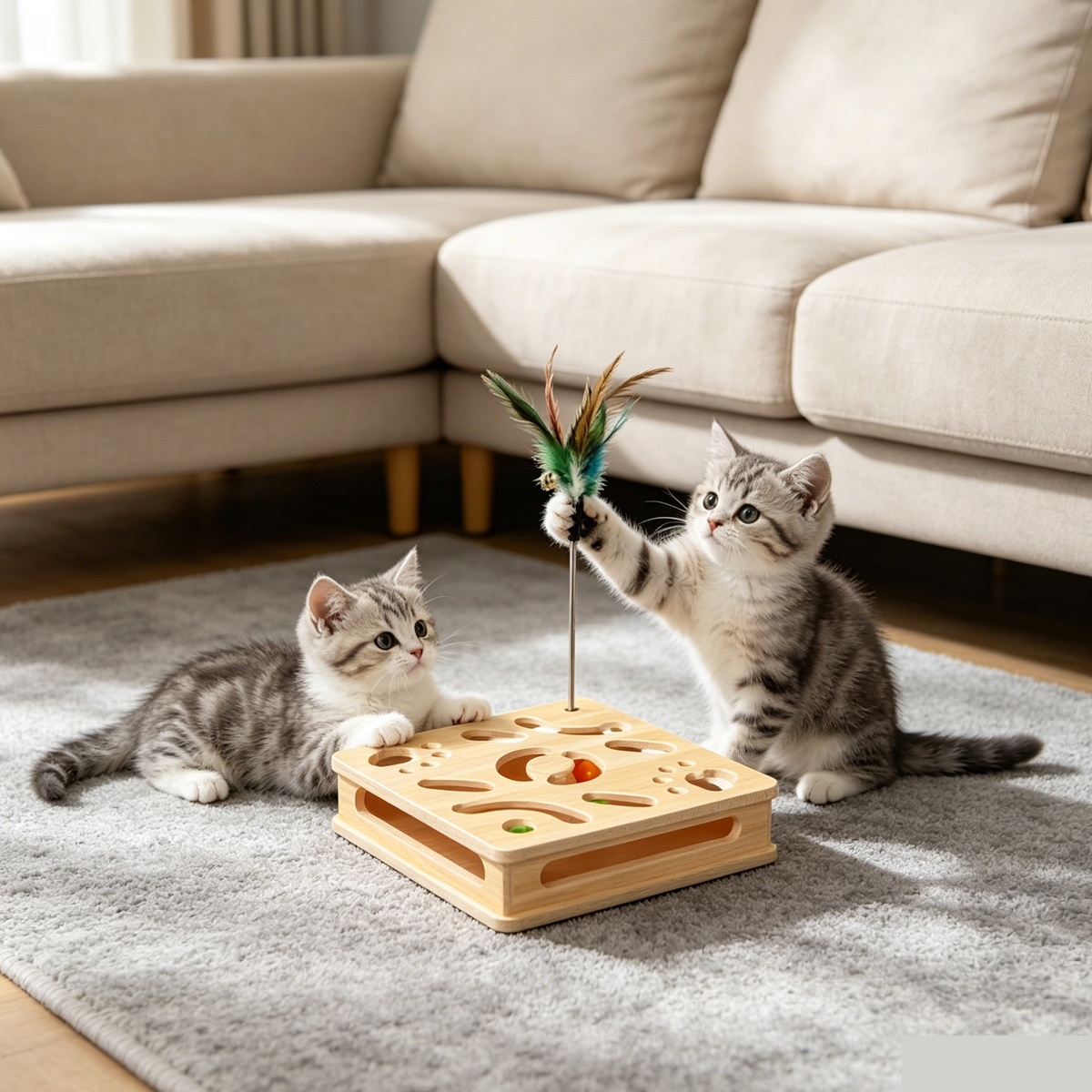
Introduction: Understanding Why Cats Scratch Furniture
Scratching is a natural, instinctive behavior for cats—they scratch to sharpen their claws, stretch their muscles, mark their territory (through scent glands in their paws), and relieve stress. While this behavior is normal, it can be frustrating for cat owners when their furniture (sofas, chairs, carpets, and even walls) becomes the target. The good news is that you can master practical methods for prevent cat furniture scratching without punishing your cat. We’ll share reliable cat scratching deterrent tricks and long-term cat furniture protection solutions, plus various cat scratching alternatives to guide your feline to scratch designated surfaces. This guide shares practical, effective tips to protect your furniture while respecting your cat’s natural instincts.
1. Provide Suitable Alternative Scratching Surfaces
The most effective way to prevent furniture damage is to give your cat a better alternative—a scratching post or pad that meets their needs. Cats have different preferences when it comes to scratching surfaces, so it’s important to provide a variety of options to find what your cat likes.
① Choose the Right Type of Scratching Surface
Cats prefer different textures, so offer a variety of scratching surfaces, such as: rope or sisal scratching posts (great for sharpening claws), cardboard scratchers (ideal for cats that like to scratch horizontally), and wooden scratchers (good for cats that prefer hard surfaces). Place these scratchers in areas where your cat likes to scratch (near their bed, sofa, or favorite window) to encourage use.
② Ensure the Scratching Surface Is Stable and Accessible
Cats need stable, accessible scratching surfaces to use them regularly. A wobbly or hard-to-reach scratching post will be ignored by your cat, who will then turn to your furniture. Make sure the scratching post is sturdy (with a heavy base) and placed at a height that is easy for your cat to reach—avoid placing it too high or in a corner where your cat can’t access it easily. For cats that prefer horizontal scratching, choose a flat cardboard or wooden scratcher that lies on the floor.
③ Rotate Scratching Surfaces Regularly
Cats can become bored with the same scratching post over time, leading them to return to your furniture. To keep them engaged, rotate different scratching surfaces every few weeks. For example, switch between a rope scratching post, a cardboard scratcher, and a wooden scratcher. This variety will keep your cat interested and more likely to use the alternatives instead of your furniture.
2. Modify Your Furniture to Deter Scratching
In addition to providing alternative scratching surfaces, you can modify your furniture to make it less appealing to your cat. These simple adjustments will discourage scratching without harming your cat or damaging your furniture.
① Use Deterrent Sprays (Non-Toxic)
Non-toxic cat deterrent sprays are a safe and effective way to keep your cat away from furniture. Look for sprays with natural ingredients (such as citrus, lavender, or bitter apple) that cats find unpleasant. Spray a light layer on the areas of your furniture that your cat likes to scratch, such as sofa arms or chair legs. Reapply the spray every few days or after cleaning to maintain its effectiveness. Note: Always test the spray on a small, inconspicuous area of your furniture first to ensure it doesn’t cause discoloration.
② Cover Vulnerable Areas
Cover the parts of your furniture that are most prone to scratching with materials that cats don’t like to scratch. For example, use double-sided tape on sofa arms or chair legs—cats dislike the sticky feeling on their paws. You can also use furniture covers, throw blankets, or plastic sheeting to protect vulnerable areas. Over time, your cat will learn that these areas are not ideal for scratching and will turn to their designated scratching surfaces.
③ Trim Your Cat’s Claws Regularly
Trimming your cat’s claws regularly reduces the damage they can cause to furniture. Short claws are less likely to scratch deep into fabric or wood. Use cat-specific nail clippers (blunt-nosed) and trim only the tip of the claw (avoid the pink quick inside the claw). Trim your cat every 2-3 weeks, or as needed. If your cat resists nail trimming, try short sessions or consult your vet for guidance.
3. Encourage Positive Scratching Behavior
Encouraging your cat to use their scratching surfaces instead of your furniture is key to long-term success. Positive reinforcement will help your cat associate scratching posts with good experiences, lowering the need to damage household items.
① Praise and Reward Good Behavior
When you spot your cat using the scratcher, praise them warmly and offer small treats or favorite toys as rewards. This positive reinforcement solidifies good habits. Never scold cats for scratching furniture—stress and anxiety will only worsen destructive scratching habits.
② Redirect Scratching to the Post
If you catch your cat scratching furniture, gently guide them toward a scratching post. Lure them with catnip or feather toys, and reward them once they scratch the designated surface. Consistency is vital as cats take time to unlearn old scratching routines.
③ Make the Scratching Post More Appealing
Sprinkle catnip on scratching posts or hang dangling plush toys to draw your cat’s attention. Position posts next to sofas or walls where cats love stretching, replicating their natural scratching posture and making alternatives far more attractive than household furniture.
4. Address Underlying Causes of Excessive Scratching
Sometimes, excessive scratching stems from stress, boredom, or hidden health issues. Observe your cat’s daily routine to identify root triggers and ease their urge to scratch household items.
① Stress: Major changes like new pets, moving homes disrupt cats’ routines and trigger over-scratching. Prepare quiet private resting zones to help your cat calm down.
② Boredom: Understimulated cats scratch furniture out of boredom. Add multi-level cat trees, interactive toys and daily play sessions to keep them mentally active.
③ Health Issues: Persistent over-scratching paired with bald patches or skin irritation signals allergies or joint discomfort. Schedule a vet visit to rule out medical conditions.
Conclusion: Protect Your Furniture and Respect Your Cat’s Instincts
Preventing cat furniture damage works by combining dedicated scratch alternatives, furniture barrier tactics, and positive training. Scratching is an innate feline behavior; punishment never solves the issue. Focus on providing ideal scratching surfaces and rewarding good habits, and you can maintain intact home furniture while keeping your cat happy and healthy. By understanding your cat’s unique preferences, you can build a harmonious living space for both pets and owners.